stop-checking-in-start-showing-up

Stop “Just Checking In”: How to Follow Up Like a Trusted Advisor

In 30 seconds

The Problem: A deal stalls, anxiety creeps in, and the salesperson sends the most destructive email in modern B2B: “Just checking in.” In one line, months of trusted advisor positioning collapses into the language of a needy vendor.

The Shift: Order-takers check in. Trusted advisors add value with every interaction. A follow-up is not a chore for the client to manage. It is another opportunity to reinforce your commercial relevance.

The Solution: Follow up with a Give to Get insight, anchor to the cost of inaction against their own timeline or grant permission to close. Stop checking in. Start showing up.

Stop “Just Checking In”: How to Follow Up Like a Trusted Advisor Read Post »

sell-on-value-not-price

The Strategic Pushback: Why Saying ‘No’ Earns You the Right to Be There

In 30 seconds

The Problem: Clients routinely test sales professionals with compressed timelines, unjustified discounts, or requests to strip down the solution. Most salespeople fold, fearing the deal will walk.

The Shift: Saying yes to a bad request is a trap. It erodes margins, sets delivery teams up to fail, and quietly lowers the client’s respect for you. Order-takers please. Trusted advisors push back to protect the integrity of the outcome.

The Solution: Hold your ground on timelines, sell on value not price, and refuse to deliver fragmented solutions you know will not work. Saying no earns you the right to stay at the strategic table.

The Strategic Pushback: Why Saying ‘No’ Earns You the Right to Be There Read Post »

the-first-5-Minutes-how-to-stop-sounding-like-a-vendor

The First 5 Minutes: How to Stop Sounding Like a Vendor

In 30 seconds

The Problem: Most salespeople sabotage their credibility in the first five minutes. They over-apologise, fill time with aimless small talk, or launch straight into a pitch deck. The moment they do, they signal “vendor” rather than “trusted advisor” and lose the peer dynamic before the conversation even starts.

The Shift: The way you open a meeting sets the entire tone of the relationship. Advisors diagnose; vendors present. Your body language, your language, and your agenda-setting either earn you a seat at the table or confirm you were never meant to have one.

The Solution: Own the room from minute one. Replace apologies with anticipation, pivot small talk purposefully, frame the meeting as mutual exploration, and check for shifted priorities before diving in. Peer dynamics are not granted, they are established, and the first 300 seconds are yours to claim.


The First 5 Minutes: How to Stop Sounding Like a Vendor Read Post »

your-tech-stack-should-amplify-human-capability-not-replace-it

Is your tech stack full but your calendar empty? Let’s talk about the Conversation Gap

In 30 seconds

The Problem:  B2B sales teams have world-class CRM systems and cutting-edge AI tools, yet pipelines are stalling. Research shows technology usage alone explains less than 1% of sales performance variation. Only 37% of reps believe their organisations fully leverage CRM tools, while 75% say their sales training is ineffective. Teams are drowning in data but starving for strategic conversations.

The Shift:  From measuring CRM logins to measuring conversation quality. From activity metrics to access rates with economic buyers. From feature discussions to business outcome articulation. The gap isn’t your tech stack – it’s your conversation stack: the human capability to navigate stakeholder dynamics, build trust, and differentiate on value rather than price.

The Solution: Build systematic frameworks for human conversations first. Then integrate AI for research and administration. AI handles the data; humans handle the dynamics. Stop measuring only activity. Start measuring access to decision-makers, stakeholder coverage, conversation quality, and trust indicators. Your tech stack should amplify human capability, not replace it.

Is your tech stack full but your calendar empty? Let’s talk about the Conversation Gap Read Post »

build-a-2026-ready-sales-playbook

Why Your Sales Playbook Needs a 2026 Upgrade

In 30 seconds

The Problem: Most sales playbooks were built for a world that no longer exists. They’re linear, assume predictable buyer paths and universal cold calling success, and were designed before AI, before digital and in-person merged, and before buying committees exploded to 10+ people. Teams often confuse sales process (the stages), sales methodology (the philosophy), and sales playbook (the complete navigation system bringing both together).

The Shift: From static step-by-step sales guides to comprehensive sales navigation systems. Your sales process is the map, your sales methodology is the compass, your sales playbook is the complete navigation system. “Add AI” bolted onto old processes doesn’t work. The entire system needs redesigning for how business actually gets done now.

The Solution: Build a 2026-ready sales playbook that’s digitally integrated from the start, navigates buying committees not single decision-makers, embraces AI as a capability multiplier, and is customised for your market and team. Use summer to get sorted in January, train in February-March, and hit Q2 ready to dominate.

Why Your Sales Playbook Needs a 2026 Upgrade Read Post »

stronger-relationships-and-innovative-lasting-advantages

The Critical Soft Skills That Make Sales Teams Unstoppable in the AI Age

In 30 seconds

As AI grows more sophisticated, human connection skills become even more valuable. According to Salesforce’s 2024 State of Sales report, 83% of sales teams using AI saw revenue growth compared to just 66% of teams without AI. When AI handles data gathering, the competitive edge shifts to relationship building and creative problem-solving. Active listening uncovers emotional drivers AI misses, while strategic questioning reframes a client or prospects’ thinking. Empathy creates durable advantages by recognising how business changes affect people’s stress and timelines. Creative problem-solving translates AI insights into tailored solutions. Organisations investing in human skill development alongside AI gain stronger relationships and innovative, lasting advantages.

The Critical Soft Skills That Make Sales Teams Unstoppable in the AI Age Read Post »

2025_Bowie_RebelRebel_Starman_Collaboration_Finding_Magic_in_Togetherness_the_Bowie_Way

Rebel Rebel Authenticity: Bowie’s Blueprint for Being Real in Business

In 30 seconds

Authenticity isn’t soft: it’s a bold act of leadership. David Bowie’s evolution, especially during his Berlin years, shows how stepping out from behind the mask unlocks trust, emotional intelligence, and real connection. In today’s fast, automated world, being human is your competitive edge. Like Bowie, I once hid behind work until I learned to lead with my values and full self. That shift transformed everything. At Barrett, we call this Selling Better. It’s not about performance; it’s about being real. Because the most powerful relationships in business are built on truth, presence, and the courage to be yourself.

Rebel Rebel Authenticity: Bowie’s Blueprint for Being Real in Business Read Post »

NetPromoterScore-vs-NetEasyScore

NES Outshines NPS: The Key to Customer Loyalty in 2025

In 30 seconds

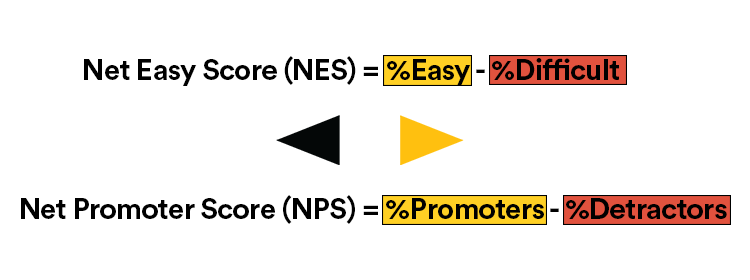
The Net Easy Score (NES) has stepped out of the Net Promoter Score’s (NPS) shadow, becoming the key to customer loyalty in 2025. NES measures how easy it is to resolve issues or complete tasks, using a 7-point scale. Unlike NPS’s loyalty focus, NES targets friction reduction, which a 2024 HBR study says drives loyalty 2.4 times more than delight. Companies like MECCA (83% NES) and Bendigo Bank (79% NES) excel by simplifying processes. In 2025, NES is the mindset for lasting customer relationships.

NES Outshines NPS: The Key to Customer Loyalty in 2025 Read Post »

manners_and_courtesy_are_a_vital_component_for_human_connection

Why Manners & Courtesy Remain Vital in Today’s Individualistic World

In 30 seconds

In a business world that often rewards a “cut-throat” ethos, the deliberate practice of manners remains a vital strategy for building sustainable success. True courtesy goes beyond pleasantries; it’s the sales team practicing ‘deep listening’ to understand a client’s real needs or the Japanese practice of nemawashi to build consensus respectfully before a meeting. While the speed of digital communication erodes etiquette, from ghosting clients to multitasking on virtual calls, choosing consideration over bluntness builds the trust necessary for innovation and collaboration. This approach creates the customer, the core purpose of business, by solving their problems with genuine care. It proves that manners are not an outdated formality, but an essential tool for creating human connection and achieving better outcomes in a fragmented world.

Why Manners & Courtesy Remain Vital in Today’s Individualistic World Read Post »

Scroll to Top