sell-on-value-not-price

The Strategic Pushback: Why Saying ‘No’ Earns You the Right to Be There

In 30 seconds

The Problem: Clients routinely test sales professionals with compressed timelines, unjustified discounts, or requests to strip down the solution. Most salespeople fold, fearing the deal will walk.

The Shift: Saying yes to a bad request is a trap. It erodes margins, sets delivery teams up to fail, and quietly lowers the client’s respect for you. Order-takers please. Trusted advisors push back to protect the integrity of the outcome.

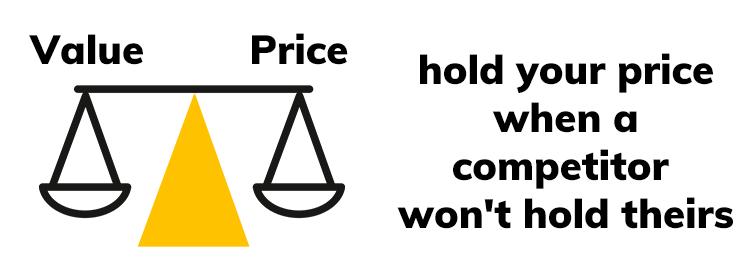
The Solution: Hold your ground on timelines, sell on value not price, and refuse to deliver fragmented solutions you know will not work. Saying no earns you the right to stay at the strategic table.

The Strategic Pushback: Why Saying ‘No’ Earns You the Right to Be There Read Post »

is-it-harder-to-reach-younger-b2b-buyers-via-phone

Is it Harder to Reach Younger B2B Buyers via Phone? Yes, and Here’s Why

In 30 seconds

Key Takeaways:

The Problem: Younger B2B buyers are ghosting phone calls during research phases. Research shows 71 per cent of decision-makers under 40 favour email and text for initial contact, with cold-call responses plummeting to 2-5 per cent. They are not avoiding conversation; they are controlling when it happens.

The Shift: From interruption-based prospecting to signal-based engagement. Digital channels handle education and qualification, while human expertise drives complex problem-solving and collaboration. The future belongs to those mastering Human-AI partnership: AI identifies readiness while humans deliver the strategic insight that complex sales demand.

The Solution: Build digital proximity first, then engage proactively when signals show readiness. Complex sales still require deep human collaboration, but only after you have earned the right to that conversation through relevant, value-first touchpoints.

Is it Harder to Reach Younger B2B Buyers via Phone? Yes, and Here’s Why Read Post »

the-ai-wild-west-why-most-teams-are-only-dabbling-and-how-to-fix-that

The AI Wild West: Why Most Teams Are Only Dabbling (& How To Fix That)

In 30 seconds

Key Takeaways:

The Problem: Most B2B teams are dabbling with AI but lack confidence in using it effectively. Without clear government regulation, businesses need practical frameworks for ethical, safe AI adoption.

The Shift: AI has made transactional selling obsolete. The future is a Human-AI Partnership: AI handles foundational tasks (Organising, Researching, Planning) while humans focus on Value-Based Selling and genuine human collaboration and engagement that builds trust and uncovers genuine needs and solutions that forge viable healthy partnerships.

The Solution: Success requires upskilling teams in effective AI use across four key areas (Organising, Communication, Researching, Planning) while establishing ethical guardrails …

The AI Wild West: Why Most Teams Are Only Dabbling (& How To Fix That) Read Post »

transactional-sales-compete-on-price-alone

The Last Holdouts: Where Transactional B2B Selling Still Exists (And Why It Won’t For Long)

In 30 seconds

Digital platforms now dominate B2B transactions, with over 75% of buyers preferring self-service for simple purchases. Modern buyers conduct 90% of their research independently and seek strategic partners who understand their business goals, not transactional sellers offering discounts. Pockets of old-school selling persist – waste management reps, auto dealerships, trade suppliers- but survive only because transactions seem localised and simple. These transactional cultures focus on activity metrics over outcomes, use price as their only lever, and engage single contacts instead of buying groups. This approach is obsolete. Buyers are too informed and competing on price alone trains customers …

The Last Holdouts: Where Transactional B2B Selling Still Exists (And Why It Won’t For Long) Read Post »

2025_Bowie_RebelRebel_Starman_Collaboration_Finding_Magic_in_Togetherness_the_Bowie_Way

Rebel Rebel Sound & Vision: Picking Up Weak Signals Leading into the Future

In 30 seconds

“Tomorrow belongs to those who can hear it coming.” David Bowie

Bowie’s genius wasn’t just artistic, it was strategic. He launched BowieNet in 1998, pioneered music videos, and created Bowie Bonds by spotting weak signals others missed. In 1995, I spotted transactional selling dying, leading to Barrett’s foundation. In 2014, another signal revealed selling needed to become an operating system, not just sales activities. Now AI is fundamentally changing how we engage and sell. Like Bowie’s evolution from glam rock to electronica, successful adaptation requires reading signals early and acting boldly. The future belongs to those who hear it coming and have the courage to act on what they hear.

Rebel Rebel Sound & Vision: Picking Up Weak Signals Leading into the Future Read Post »

winning-long-term

Trust Wins the Long Game: Why Game Theory Trumps Short-Term Tricks

In 30 seconds

A national building supplies firm won a big account by slashing prices, only to lose it six months later to a pricier, more reliable competitor. In contrast, a tech-security BDM secured a $3M high-margin deal by listening, co-creating solutions, and building trust. Game theory proves cooperation outperforms deception: short-term wins erode trust, long-term partnerships drive success. The 2025 Edelman Trust Barometer shows 75% of people value enduring relationships over quick gains. The winning formula? Emotional intelligence to navigate relationships, ethical guardrails to assess moral engagement, and business savviness to align strategy with long-term goals. In business, the smartest play is also the most human one.

Trust Wins the Long Game: Why Game Theory Trumps Short-Term Tricks Read Post »

what_can_you_do_for_me

Your Clients Don’t Want Your Product (And Why That’s Great News)

In 30 seconds

Nobody wants a mortgage: they want a home. Nobody wants insurance: they want peace of mind. This truth applies to almost every product: clients don’t want what you sell, they want what it does for them. Yet many salespeople stay fixated on features, forgetting the problem their product solves. Great salespeople shift focus to the client’s desired outcome. Fall in love with their problems, translate features into clear benefits, and ask discovery questions about their world, not your product. By selling outcomes instead of specs, you stop pushing and start helping. And the more you help, the more you’ll sell.

Your Clients Don’t Want Your Product (And Why That’s Great News) Read Post »

2025_Bowie_RebelRebel_Starman_Collaboration_Finding_Magic_in_Togetherness_the_Bowie_Way

Starman Collaboration: Finding Magic in Togetherness the Bowie Way

In 30 seconds

Welcome to the first article in our Rebel Rebel series exploring how to lead, sell, co-create and collaborate the Bowie way. When one of our tech security clients won a multimillion-dollar contract, the real moment of truth came after. Their new client called, unprompted: “You weren’t the cheapest, but you listened. You understood us, found shared values, and built real trust. No one else did that.” That feedback meant more than the deal. It captured the power of collaboration, psychological safety, deep listening, and co-creation, hallmarks of Bowie’s collaborative genius. Because in today’s world, success isn’t just about …

Starman Collaboration: Finding Magic in Togetherness the Bowie Way Read Post »

strategy-insight-and-integrity-lead-to-rapport

Is Rapport Really the #1 Predictor of Sales Performance?

In 30 seconds

While rapport plays a valuable role in building trust and connection, it’s far from the sole driver of sales performance. Reducing sales success to “being likeable” oversimplifies a complex, multifaceted discipline. Effective salespeople don’t just charm—they listen, solve problems, communicate value, and follow through. In fact, some of the best performers aren’t especially sociable but consistently build credibility, trust, and results. At Barrett, our decades of experience and research show that true sales success stems from a cluster of traits: mindset, planning, value creation, problem-solving, trust, and yes, relationship building. Rapport is one important thread—but overemphasising it can …

Is Rapport Really the #1 Predictor of Sales Performance? Read Post »

Scroll to Top