
sales-telemetry-why-excellence-lives-in-273-micro-steps

Sales Telemetry: Why Excellence Lives in 273 Micro-Steps

In 30 seconds

The Problem: Traditional “hero” sales models are fragile and unscalable. Personality-driven approaches leave organisations vulnerable when stars leave, and oversimplifying complex B2B sales creates more chaos, not less.

The Shift: Ashby’s Law of Requisite Variety proves you cannot manage high complexity with low-resolution processes. Modern B2B sales: with 10+ stakeholders, year-long cycles, and hybrid engagement, demands sophisticated internal systems matching external complexity.

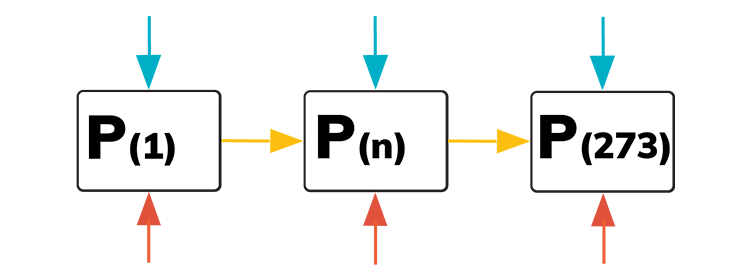
The Solution: High-resolution sales process mapping (273 micro-steps) creates telemetry, not bureaucracy. Like Formula One’s data systems, it makes invisible complexity visible, enabling measurable, trainable, scalable excellence. Your team already navigates these steps blindly; proper structure transforms overwhelm into flow state performance.

Sales Telemetry: Why Excellence Lives in 273 Micro-Steps Read Post »

put-structure-around-complexity-use-complexity-as-strength

The Simplicity Trap: Why Reducing Complexity Makes Selling Harder, Not Easier

In 30 seconds

The Problem: Leaders confuse complexity with clutter. They think “making life easier” means cutting steps and removing structure. Result? They create a vacuum where chaos takes over. Teams aren’t working less – they’re exhausted navigating disorder without a map. Every shortcut creates downstream complexity worse than what was removed.

The Shift:  F1 drivers hit 350km/h guided by 300+ telemetry data points. They don’t reduce complexity – they structure it. That framework makes the impossible possible. Entropy is the natural state; left alone, things fall apart, not organise.

The Solution: Put structure underneath complexity, don’t eliminate it. Build clear sales frameworks that eliminate guesswork, defined sales processes that reduce decision fatigue, and structured feedback loops. With discipline comes freedom. True simplicity isn’t found by subtraction – it’s engineered through disciplined structure.

The Simplicity Trap: Why Reducing Complexity Makes Selling Harder, Not Easier Read Post »

31-years-of-selling-better-why-your-seat-at-the-table-matters-more-than-ever

31 Years of Selling Better: Why Your Seat at the Table Matters More Than Ever

In 30 seconds

The Problem: Complex B2B sales requiring human relationships and risk navigation are being forced into transactional procurement processes designed to commoditize vendors and slash costs. You’re brought in late just to provide price comparisons, excluded from early relationship building, and squeezed on margins when your solution demands the complexity track, not the commodity track.

The Shift: Decision-making has become harder to access. Market forces actively reward short-term extraction over relationship building. A critical value translation gap exists: sellers can’t articulate technical features as business outcomes, and buyers lack language to express value beyond price. When economic headwinds hit, companies revert aggressively to extractive behaviours.

The Solution: Barrett’s “Selling Better” methodology combines business savvy with emotional intelligence. Claim seats strategically early. Get involved in “Why Change?” conversations before procurement locks you out. Lead insight-creating dialogue that helps buyers understand their challenges differently. Integrate AI thoughtfully to amplify human capability, not replace trust-building. Know when to walk away from toxic relationships. Your best shot: be at the table early, or you’ll end up on the menu.

31 Years of Selling Better: Why Your Seat at the Table Matters More Than Ever Read Post »

transactional-sales-compete-on-price-alone

The Last Holdouts: Where Transactional B2B Selling Still Exists (And Why It Won’t For Long)

In 30 seconds

Digital platforms now dominate B2B transactions, with over 75% of buyers preferring self-service for simple purchases. Modern buyers conduct 90% of their research independently and seek strategic partners who understand their business goals, not transactional sellers offering discounts. Pockets of old-school selling persist – waste management reps, auto dealerships, trade suppliers- but survive only because transactions seem localised and simple. These transactional cultures focus on activity metrics over outcomes, use price as their only lever, and engage single contacts instead of buying groups. This approach is obsolete. Buyers are too informed and competing on price alone trains customers …

The Last Holdouts: Where Transactional B2B Selling Still Exists (And Why It Won’t For Long) Read Post »

2025_Bowie_RebelRebel_Starman_Collaboration_Finding_Magic_in_Togetherness_the_Bowie_Way

Rebel Rebel Sound & Vision: Picking Up Weak Signals Leading into the Future

In 30 seconds

“Tomorrow belongs to those who can hear it coming.” David Bowie

Bowie’s genius wasn’t just artistic, it was strategic. He launched BowieNet in 1998, pioneered music videos, and created Bowie Bonds by spotting weak signals others missed. In 1995, I spotted transactional selling dying, leading to Barrett’s foundation. In 2014, another signal revealed selling needed to become an operating system, not just sales activities. Now AI is fundamentally changing how we engage and sell. Like Bowie’s evolution from glam rock to electronica, successful adaptation requires reading signals early and acting boldly. The future belongs to those who hear it coming and have the courage to act on what they hear.

Rebel Rebel Sound & Vision: Picking Up Weak Signals Leading into the Future Read Post »

sales-system-interface-customer-business-value-based

Beyond the Transaction

In 30 seconds

Selling is much more than completing transactions, particularly in B2B and complex B2C environments. Delivering value is crucial for building long-term relationships with customers. To shift to value-based selling, you can start with this 4-step approach:

  • Focus on customer needs
  • Shift to consultative selling
  • Demonstrate ROI
  • Collaborate with customers
  • By moving beyond transactions and adopting a value-based selling approach, businesses can better meet these expectations and build stronger, better customer relationships.

    In 2 minutes

    In the past, sales were often focused solely on completing transactions. However, in today’s market and particularly in B2B and complex B2C environments, customers expect more from the sales and service …

    Beyond the Transaction Read Post »

    Sales Trend 4: Buyer Behaviours, AI & the Future of Sales Roles

    Sales Trend 4 from the Barrett 12 Sales Trends Report for 2018 is about buyer behaviours and the future of sales roles.

    According to Gartner Research, by 2020 85% of interactions between businesses will be executed without human interaction. [i]

    Automation has already diminished the number of people required for blue collar manufacturing roles; however, with the advent of AI (artificial intelligence), big data and algorithms, we are beginning to see sweeping changes happening across the once untouchable white collar sector, including the very people-oriented roles of sales, as many buyers shift part or all of their buying journey …

    Sales Trend 4: Buyer Behaviours, AI & the Future of Sales Roles Read Post »

    Scroll to Top