
In 30 seconds
The Problem: Most businesses are ready to buy CRM and AI, but not ready to use them. Every rep sells their own way, so the technology ends up automating the inconsistency.
The Shift: The CRM is not the engine. Your agreed-upon sales process is. Technology amplifies whatever is already there.
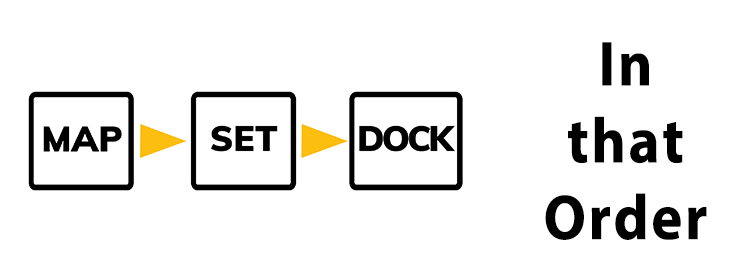
The Solution: Map how you sell, set the standard of sales excellence, then dock the CRM and AI into that process. In that order.
In 3 Minutes
The managing director of a multi-site healthcare group came to us two years ago. They had been through a hard CRM selection, said no, and the project stalled. This year they came back. Last time they looked at three vendors. Now they are looking at six.
More options have not made the decision easier. They have made it harder, because the real question has never been answered: what do we actually need this system to do?
Everyone is selling their own way
This is not unusual. In many sales teams we meet, good people are working hard with no shared way of doing it. Every rep sells differently. Know-how lives in people’s heads and on their laptops. Follow-up depends on memory. Every team reports its pipeline differently, so coaching chases the numbers instead of the behaviours behind them. These are not examples from 10 years ago. All of them come from work we did in the last 12 months.
Put a CRM on top of that and you do not fix it. You automate the inconsistency, and pay a licence fee for the privilege.
AI raises the stakes. Gartner expects organisations to abandon 60% of AI projects that are not supported by AI-ready data (Gartner, 2025). In sales, AI-ready data does not come from the software. It comes from a defined process that people actually follow.
The order that works
There are three steps, and the order matters more than the platform.
- Map how you sell. A clear sales process, written with your own people, based on what is already working: the manual for how we sell around here.
- Set the standard. Minimum standards for every step, plus the tools and coaching resources to build them in and fill any potential gaps.
- Dock in the CRM and AI. Configure the technology to your process, so people use it and AI has clean signals to learn from.
Most businesses start at step three. That is why so many CRM projects disappoint.
What a mapped sales process gives you
A good sales process is not a flowchart on a wall. Each step is broken into small pieces, like actions and skills, that people can learn, apply and coach. Some apply always, and become the minimum standard. Others apply only when the situation calls for it, so a simple sale stays simple.
Then the technology plugs in. For each step you decide what goes into the CRM and what comes back to help people sell: a dated follow-up and a reminder, an activity record and the history before every visit, sales data from your ERP and an alert when a key account starts to slip.
We are doing exactly this with a national industrial services group. Their CRM decision was already under way. Mapping the process first showed that most of their sales steps touch the CRM, and surfaced the decisions that would have been expensive to change after go-live.
Selling is everybody’s business
One mapped process gives every leader something they can hold. The CEO gets predictable growth. The CFO sees margin on the pipeline and technology spend that pays back. The CIO gets a CRM configured to the process, not customised around it. Sales leaders coach to the process from live data, and marketing gets clear handovers it can track.
And with the map in hand, you buy on your terms. Vendors demo against your process, not their script.
That healthcare group does not need a seventh demo. It needs to know how it sells. Once it does, choosing the platform becomes the easy part.