
the-first-5-Minutes-how-to-stop-sounding-like-a-vendor

The First 5 Minutes: How to Stop Sounding Like a Vendor

In 30 seconds

The Problem: Most salespeople sabotage their credibility in the first five minutes. They over-apologise, fill time with aimless small talk, or launch straight into a pitch deck. The moment they do, they signal “vendor” rather than “trusted advisor” and lose the peer dynamic before the conversation even starts.

The Shift: The way you open a meeting sets the entire tone of the relationship. Advisors diagnose; vendors present. Your body language, your language, and your agenda-setting either earn you a seat at the table or confirm you were never meant to have one.

The Solution: Own the room from minute one. Replace apologies with anticipation, pivot small talk purposefully, frame the meeting as mutual exploration, and check for shifted priorities before diving in. Peer dynamics are not granted, they are established, and the first 300 seconds are yours to claim.


The First 5 Minutes: How to Stop Sounding Like a Vendor Read Post »

does-sales-have-a-seat-at-its-own-c-suite-table

Does Sales Have a Seat at Its Own C-suite Table?

In 30 seconds

The Problem: Sales is handed strategy, not invited to shape it. Excluded from executive decisions, frontline teams default to discounting and deference – the very vendor mindset leadership tells them to abandon. You cannot ask your people to earn a seat at the client’s table when they don’t have one at their own.

The Shift: Treat Sales as a strategic function, not a delivery mechanism. The sales leader belongs in the room where product, finance, and marketing decisions are made – as Chief Revenue Architect, not note-taker.

The Solution: Fix the internal table first. Everything else follows

Does Sales Have a Seat at Its Own C-suite Table? Read Post »

your-best-salesperson-is-not-in-sales-and-they-do-not-even-know-they-are-selling

Your best salesperson isn’t in Sales. And they don’t even know they’re selling

In 30 seconds

The Problem: Most organisations train only their quota-carrying salespeople, leaving 80% of their commercial talent – engineers, delivery, product, operations – without the skills to influence stakeholders or articulate business value.

The Shift: As businesses moved from transactional to value-based, solution-focused selling, the most effective organisations recognised that selling is a team sport. The untapped commercial potential was already inside the business.

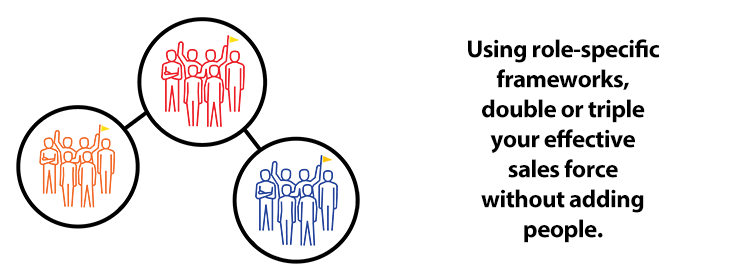
The Solution: Barrett equips cross-functional teams with role-specific frameworks, stakeholder navigation tools, and value articulation skills – delivered in short, practical sessions. The result: you can double or triple your effective sales force overnight, without adding a single headcount.

Your best salesperson isn’t in Sales. And they don’t even know they’re selling Read Post »

landing-on-the-hudson-again-do-not-panic

Landing on the Hudson – Again. Leading Through Disruption

In 30 seconds

The Problem: Global instability – geopolitical tensions, oil volatility, supply chain pressure – is creating real uncertainty for leaders, sales teams, and client-facing professionals. The temptation to retreat, go quiet, or panic is understandable. But it is exactly the wrong response.

The Shift: The businesses that outperform in a crisis are never the ones who waited it out. They invested in their people, stayed close to their clients, and kept moving – even when the ground was shifting beneath them.

The Solution: Get ahead of it. Steady your leadership, sharpen your messaging, and keep your team sales fit. The plane can be landed. You know how.

Landing on the Hudson – Again. Leading Through Disruption Read Post »

the-sales-veterans-dilemma-why-the-best-keep-raising-their-game

The Sales Veteran’s Dilemma: Why the Best Keep Raising Their Game

In 30 seconds

The Problem: Seasoned sales professionals with decades of results, relationships, and reputation often stall when new methodologies arrive – not from stubbornness, but from the very real psychological weight of unlearning deeply ingrained habits while protecting the trust they have spent years building.

The Shift: The market has moved permanently from transactional selling to value-based, solution-focused selling. Staying relevant means adding commercial language, digital fluency, and business acumen to an already formidable toolkit – not to replace what works, but to build higher on top of it.

The Solution: Map your instincts to the new structure rather than abandoning them. Adopt changes in digestible chunks. Segment clients by readiness. Be transparent when your approach shifts. The professionals who make this transition do not just protect what they have built – they earn a seat at a different table entirely.

The Sales Veteran’s Dilemma: Why the Best Keep Raising Their Game Read Post »

founder-trap-when-your-success-becomes-your-ceiling

The Founder Trap – When Your Success Becomes Your Ceiling

In 30 seconds

The Problem: You’ve built a $5M business on personal relationships and heroic effort – but that’s your ceiling. 78% of companies with product-market fit fail to scale because the founder is both engine and bottleneck. New hires can’t replicate your success, deals stall without you, and your instincts live only in your head. Whether you want to scale, sell, or step back – you can’t. The business is you.

The Shift: From founder-dependent to system-enabled. What you do instinctively must become what your team does systematically. This isn’t about working harder – it’s about making your magic transferable through frameworks, process maps, and repeatable methodologies.

The Solution: Systematise your value delivery. Build sales playbooks, sales process maps, and sales frameworks that work whether you’re in the room or not. Barrett’s 31-year journey proves it’s possible -creating models for sales operations, value-based selling, and leadership that enable teams to deliver independently. The result: options to scale, transition, or sustain without staying trapped.

The Founder Trap – When Your Success Becomes Your Ceiling Read Post »

your-tech-stack-should-amplify-human-capability-not-replace-it

Is your tech stack full but your calendar empty? Let’s talk about the Conversation Gap

In 30 seconds

The Problem:  B2B sales teams have world-class CRM systems and cutting-edge AI tools, yet pipelines are stalling. Research shows technology usage alone explains less than 1% of sales performance variation. Only 37% of reps believe their organisations fully leverage CRM tools, while 75% say their sales training is ineffective. Teams are drowning in data but starving for strategic conversations.

The Shift:  From measuring CRM logins to measuring conversation quality. From activity metrics to access rates with economic buyers. From feature discussions to business outcome articulation. The gap isn’t your tech stack – it’s your conversation stack: the human capability to navigate stakeholder dynamics, build trust, and differentiate on value rather than price.

The Solution: Build systematic frameworks for human conversations first. Then integrate AI for research and administration. AI handles the data; humans handle the dynamics. Stop measuring only activity. Start measuring access to decision-makers, stakeholder coverage, conversation quality, and trust indicators. Your tech stack should amplify human capability, not replace it.

Is your tech stack full but your calendar empty? Let’s talk about the Conversation Gap Read Post »

Scroll to Top