
In 30 seconds
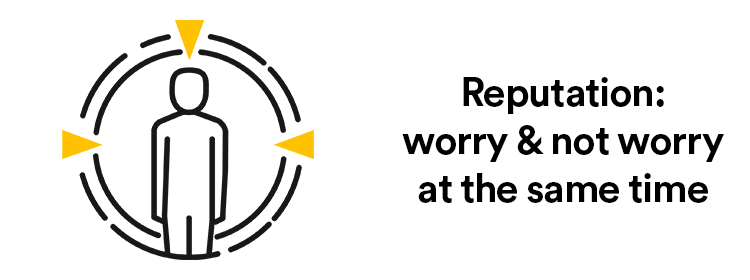
Reese Witherspoon’s call to ignore others’ opinions promises freedom, but in business, reputation, shaped by what’s said when you leave the room, drives success. Harvard Business Review (2023) notes 70% of hiring decisions hinge on perception, underscoring our need to engage proactively. Yet, total detachment risks isolation. Emotional intelligence (EQ) bridges this gap: self-regulation and empathy foster trust while preserving identity. As an HSP, I use “caring detachment” to connect, collaborate, and lead, owning my emotions despite people-pleasing tendencies. It’s messy but manageable with reflection and boundaries. How do you balance freedom and reputation? Share your insights.
In 2 minutes
Reese Witherspoon’s recent quote, “The sooner you figure out that other people’s opinions of you are never your business, and it literally doesn’t matter what they think of you, you become free. Totally free,” has sparked reflection across social platforms. On the surface, it’s an empowering call to shed external judgement, resonating in a validation-obsessed world. However, for professionals where reputation and relationships are currency, this advice risks oversimplification. Life and humans are too messy for a binary solution, especially given that financial independence, affording Witherspoon’s freedom, is a luxury most of us lack.
Let’s explore how we can reconcile this view with the reality of our interconnected work lives, leveraging emotional intelligence (EQ) to manage ourselves and others effectively.
The Reality of Reputation in Business
The adage “Your reputation is what others say about you when you leave the room” holds profound truth in professional settings. Research from the Harvard Business Review (2023) underscores that 70% of hiring decisions are influenced by a candidate’s perceived reputation, shaped by peer feedback and past interactions. In Australia, where workplace culture often emphasises collaboration and trust, this is even more pronounced.
Our careers are rarely solitary pursuits; they hinge on how colleagues, clients, and leaders perceive our competence, reliability, and character. Ignoring others’ opinions entirely isn’t feasible, it’s a proactive choice to engage, and leaving impressions that build (or possibly erode) our professional standing is inevitable.
Resilience and Liberation vs. Community and Reputation
Witherspoon’s advice champions personal liberation, a mindset that can reduce anxiety and boost resilience. Psychological studies, such as those published in the Journal of Occupational Health Psychology (2024), suggest that detaching from constant self-judgement can lower stress levels by up to 25% among high-pressure professionals. Yet, this is easier with financial security, a privilege many lack, making her advice somewhat simplistic. Total disregard for others’ views could alienate us from the communities we rely on for support, innovation, and success. For those in leadership or sales roles, where trust and safety are non-negotiable, this balance is critical. The challenge lies in caring enough to connect, yet not so much that we lose ourselves to others’ expectations.
Emotional Intelligence as the Bridge
Emotional intelligence, defined by Daniel Goleman as the ability to recognise and manage our emotions while influencing others’, becomes the tool to navigate this tension. EQ comprises self-awareness, self-regulation, motivation, empathy, and social skills, each vital for reconciling personal freedom with professional reputation.
For instance, self-regulation allows us to respond calmly to criticism, while empathy fosters the safe, trusting environments needed for collaboration.
Personally, I’ve developed the mantra of “caring detachment”: engaging wholeheartedly by creating conditions for effective communication, collaboration, leadership, and sales, while owning my emotions rather than letting others derail them. It’s about building trust, ensuring people feel safe with me, yet maintaining my identity and calm amidst the storm.
Caring Detachment
I have defined Caring Detachment as investing in relationships and responsibilities with genuine care yet not letting others’ opinions or reactions dictate your self-worth or inner peace. For instance, you might lead a team with empathy and dedication but consciously manage your own feelings to avoid being derailed by criticism or approval-seeking. It’s a nuanced skill, requiring self-awareness and practice to stay centred amidst life’s messiness.
This isn’t easy, especially for those prone to people-pleasing or, as I am, highly sensitive persons (HSPs). Research from the Australian Psychological Society (2023) notes that HSPs, who process stimuli more deeply, often face heightened emotional overwhelm, making this balance particularly challenging.
Practical Strategies for Managing Ourselves and Our Emotions
- Self-Awareness Through Reflection: Regularly assess your emotional triggers. Journaling or mindfulness practices can help HSPs like me identify when external opinions start to dictate our mood.
- Structured Detachment: Set boundaries and decide which feedback matters (e.g. from a coach or mentor) and which to let go. This requires practice, especially under pressure.
- Proactive Engagement: Leave intentional impressions by aligning actions with your values. For example, consistent follow-through on promises builds a reputation that withstands occasional misjudgements.
- Support Networks: Lean on trusted peers or coaches to process feedback objectively, reducing the risk of internalising every opinion.
The Messy Humanity of It All
Since humans are wired for connection, avoiding simplistic answers is crucial: evolutionary psychology suggests our survival depended on community acceptance, and our modern-day well-being still does, too. Yet, we’re also individuals seeking autonomy. This duality means managing our emotional landscape is an ongoing, imperfect process.
For HSPs or those with a people-pleasing streak, the fear of upsetting others can amplify this challenge, but it’s precisely this vulnerability that can deepen our Emotional Intelligence if harnessed wisely.
A Call to Action
As professionals, we must be proactive in how we engage, recognising that our reputation is both a reflection of others’ perceptions and our own agency. Witherspoon’s freedom is achievable, not by ignoring others, but by mastering your version of Caring Detachment. This means leading with empathy, collaborating with intention, and staying true to ourselves, even when the room’s opinion wavers.
We’d love to hear how you navigate this balance. Share your strategies in the feedback section below.